Furniture can become a pest problem in two very different ways: some pests actually damage wood or natural fibres, while others use furniture as a hiding, nesting, travel, or feeding area. Terra13 Pest Control helps Winnipeg homes, apartments, property managers, hotels, and commercial buildings inspect furniture and wood-associated pest activity, treat the source, and remove heavily infested items when disposal is the practical next step.
A couch, mattress, dresser, shelf, cabinet, attic item, or stored piece of furniture can hold more than one kind of pest clue. Bed bugs may hide in seams and joints. German cockroaches may live inside drawer slides and cabinets. Rodents may chew or nest inside upholstered furniture. Birds and wildlife may contaminate stored items in attics or balconies.
The right response depends on the pest. Some furniture can be treated, monitored, cleaned, or isolated. Other items, especially heavily bed bug-infested mattresses or upholstered furniture, may need professional containment, removal, and disposal combined with surrounding-area treatment.
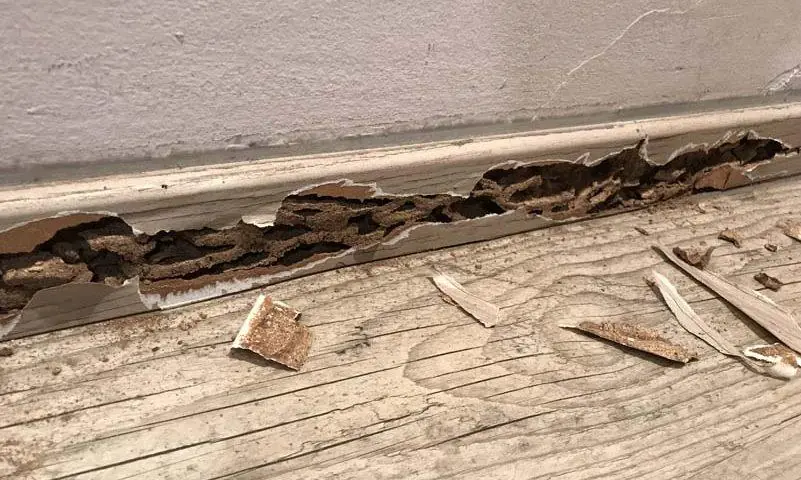
Wood-Destroying and Wood-Associated Pests in Winnipeg
Some pests attack wood directly or excavate it for nesting. Others are found around damp wood because moisture supports mould, decay, or shelter. In Winnipeg and Manitoba, Terra13 pays special attention to the following wood-associated pests:
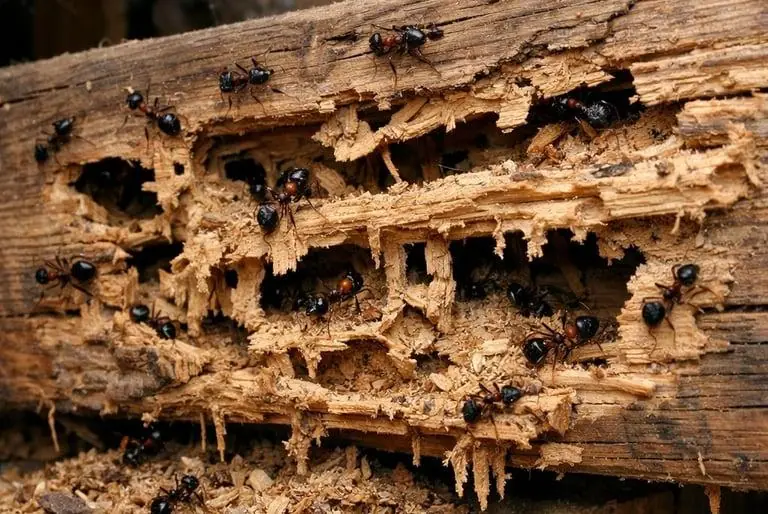
- Carpenter ants excavate wood to build nests. They do not eat wood, but they prefer damp or water-damaged areas and can affect wall studs, beams, decks, window frames, and wooden furniture.
- Termites are less common in Winnipeg than in warmer regions, but they are possible in parts of Manitoba. They feed directly on wood and cellulose and can damage structural wood, flooring, furniture, and framing.
- Powderpost beetles tunnel through hardwoods as larvae. They may attack hardwood flooring, antique furniture, cabinets, trim, and stored lumber, often leaving tiny round exit holes and fine powder-like frass.
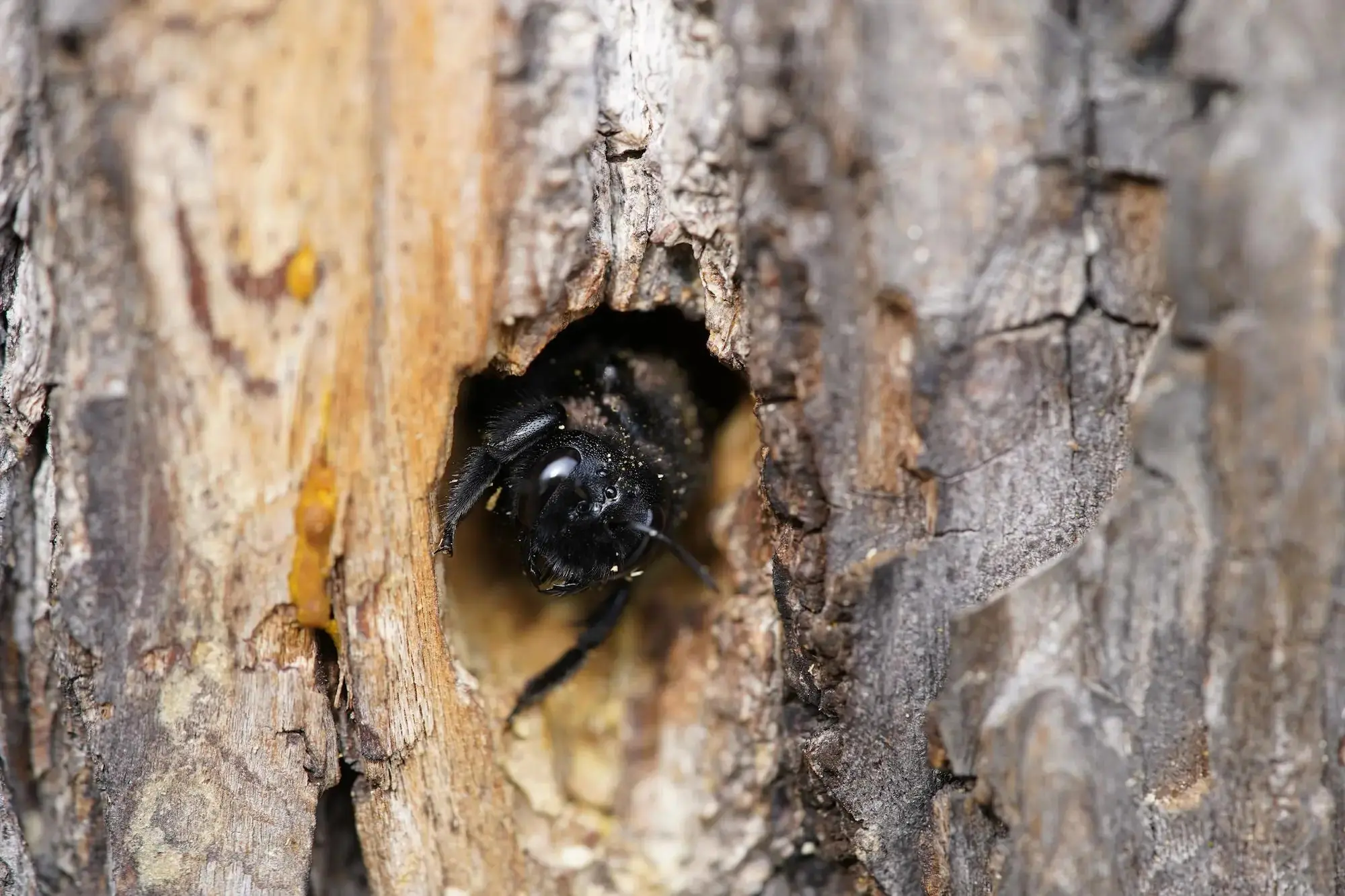
- Carpenter bees are uncommon in Winnipeg but can bore clean, round holes into untreated exterior wood such as decks, fascia boards, and outdoor wood.
Pests That Hide or Live in Furniture
Many furniture pests do not damage the wood itself. Instead, they use furniture as harbourage, a food source nearby, or a protected travel route. These pests are especially common in bedrooms, living rooms, kitchens, apartments, and shared-wall buildings.
- Bed bugs hide in bed frames, headboards, couches, recliners, dressers, nightstands, cracks, and seams. Heavy infestations may require infested furniture removal and disposal plus professional treatment.
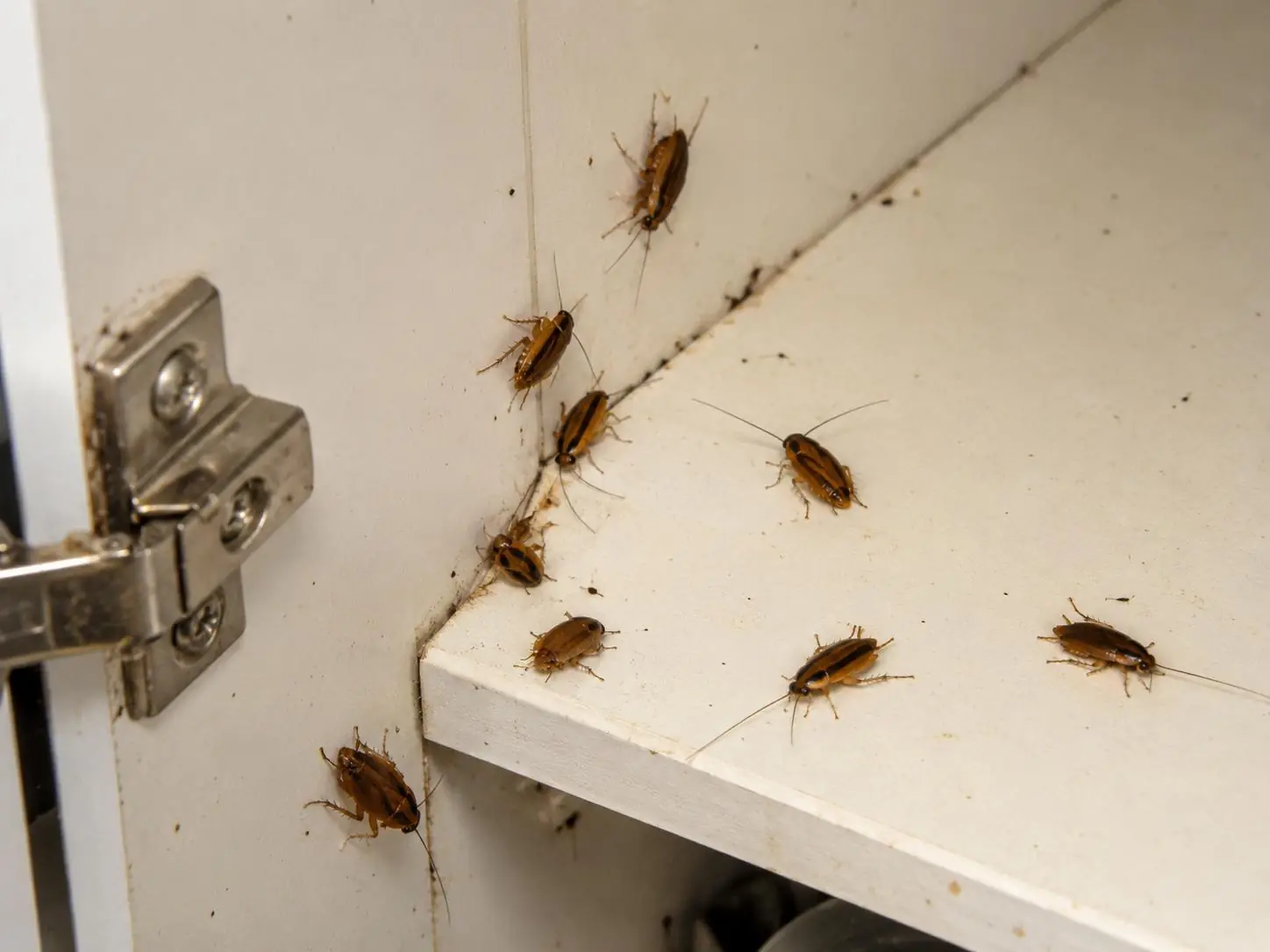
- German cockroaches hide inside cabinets, furniture joints, drawer slides, shelving, and kitchen furniture, especially in apartment buildings and high-pressure food areas.
- Booklice thrive in damp furniture, shelving, paper, cardboard, and storage areas where mould is present.
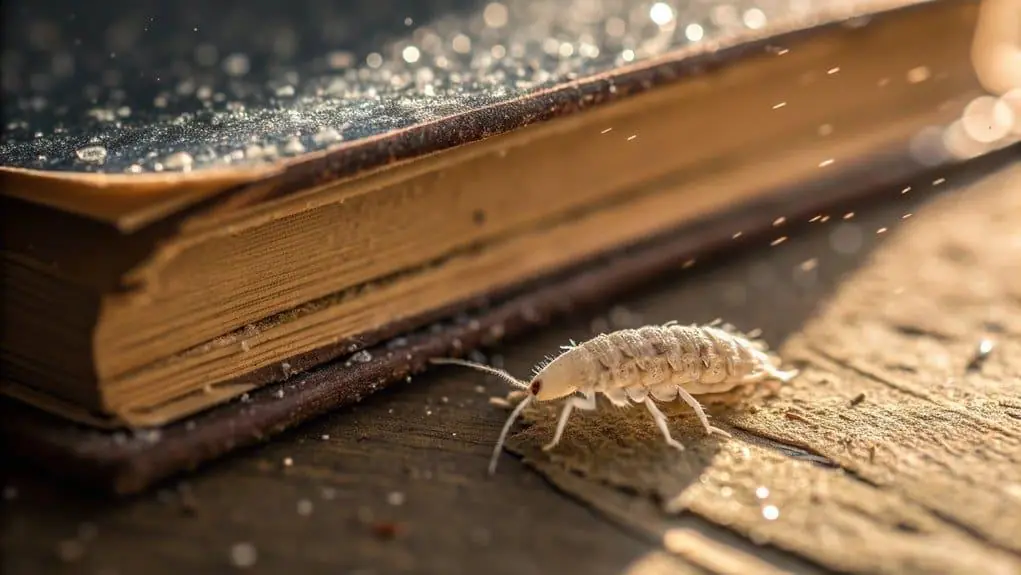
- Silverfish hide beneath furniture and inside cabinets while feeding on paper, glue, book bindings, and some stored materials.
Fabric, Upholstery and Stored-Item Pests
Upholstery and stored fabrics can attract pests even when the wooden frame is untouched. These infestations often show up in closets, storage rooms, couches, pet areas, antique furnishings, rugs, and long-stored furniture.
- Carpet beetles can damage wool, feathers, fur, leather, silk, and other natural fibres. Larvae may infest upholstered furniture, antique furnishings, rugs, and stored textiles.
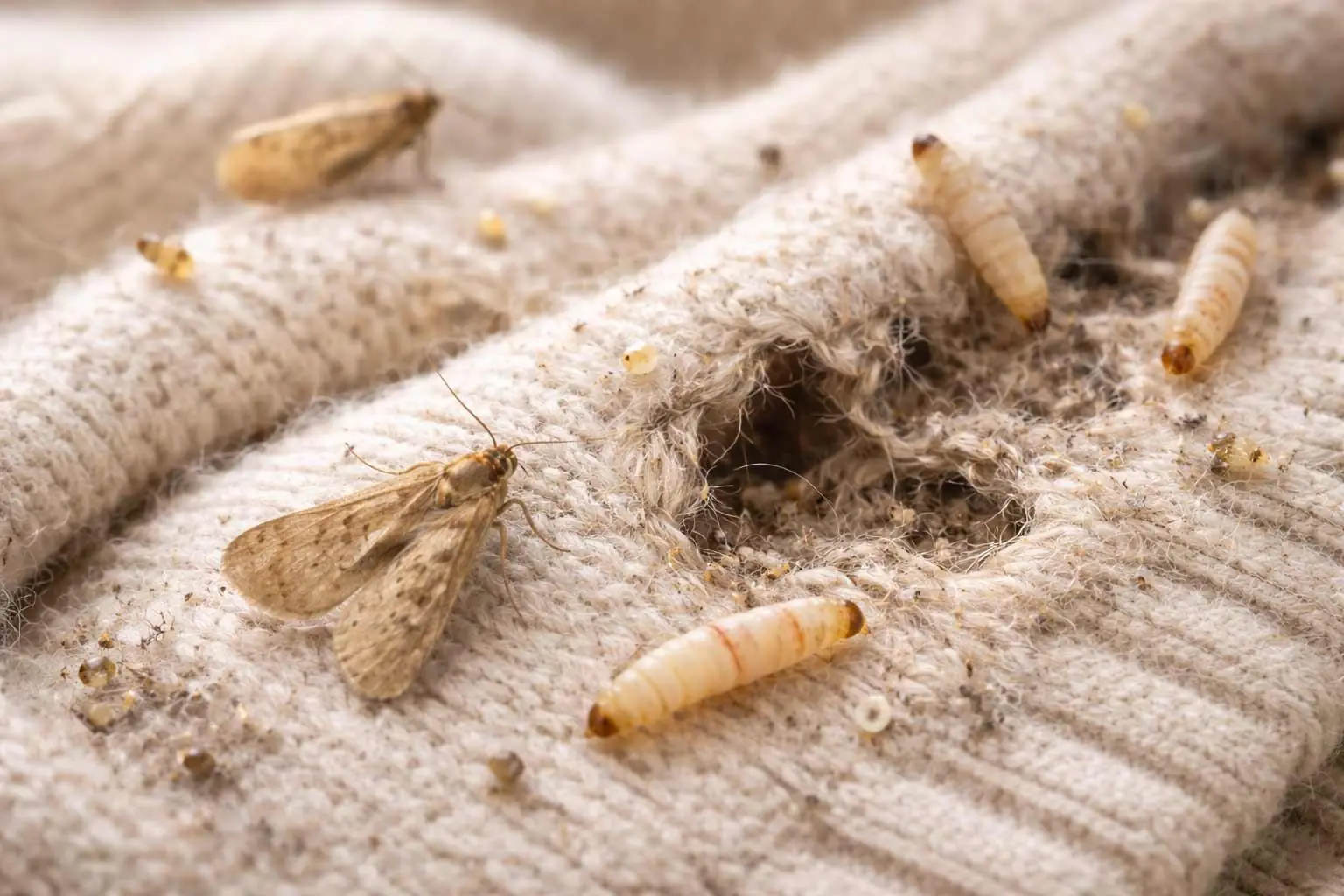
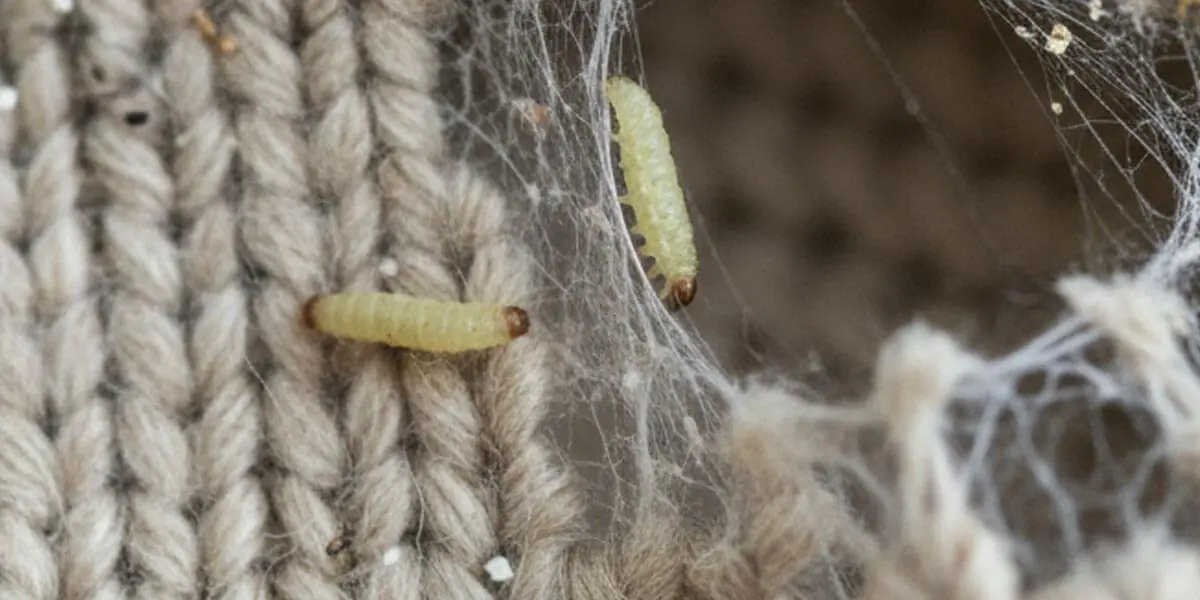
- Clothes moths damage natural-fibre upholstery, rugs, blankets, clothing, and fabric stored inside furniture.
- Fleas live in upholstered furniture, pet bedding, carpets, and cracks near resting areas. They do not damage furniture, but they can infest it heavily.
Rodents, Wildlife and Bird Contamination Around Furniture
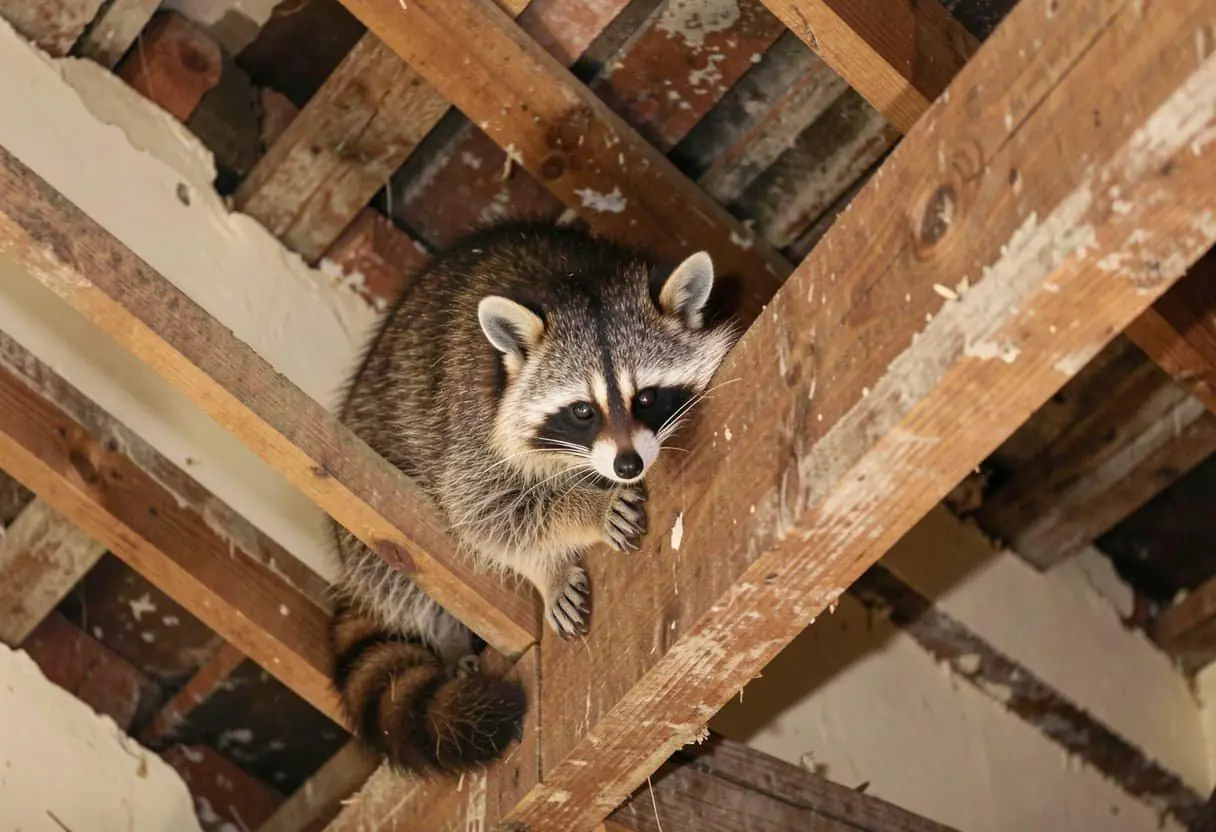
Rodents and wildlife create a different kind of furniture problem. They may chew, nest, contaminate, or damage stored furnishings in attics, basements, sheds, garages, balconies, and vacant units.
- Mice and rats chew wooden furniture, cabinets, drawers, wiring, cardboard, and stored items. They may also build nests inside furniture or upholstered couches.
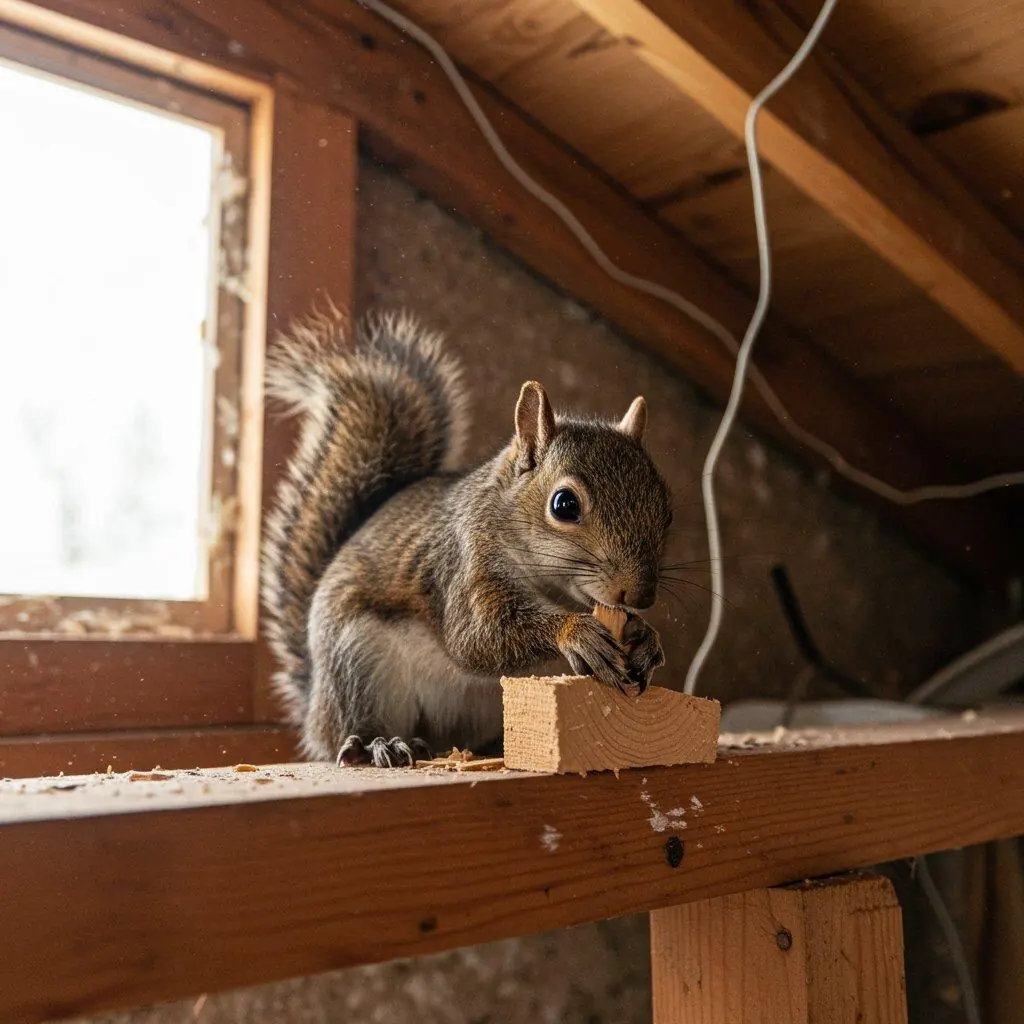
- Squirrels can chew attic wood, sheds, roofline materials, and sometimes stored furniture.
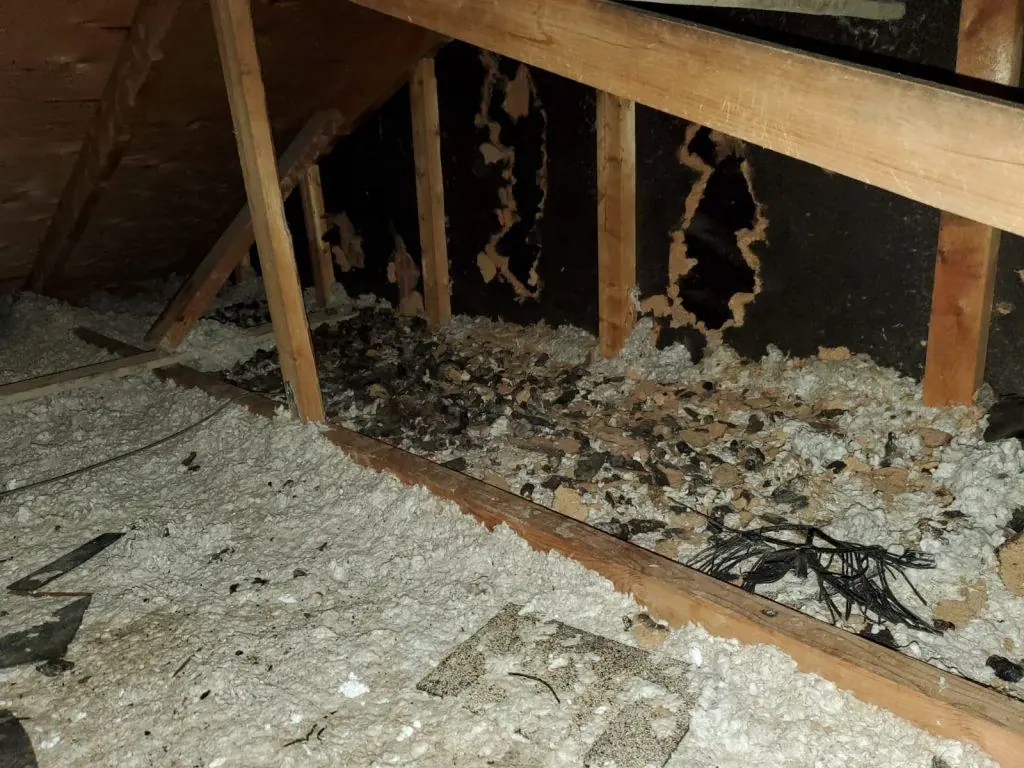
- Raccoons can damage attic wood, insulation, storage, and furniture when nesting or denning.
- Birds, especially pigeons, nest on balconies and in attics, contaminating outdoor furniture, stored items, insulation, and surfaces with droppings and nesting materials.
When Furniture Should Be Removed Instead of Treated
Removal is not always the first answer. If activity is light, targeted treatment, steam, vacuuming, isolation, monitoring, or cleanup may be enough. But removal becomes more practical when the item is heavily infested, badly contaminated, structurally damaged, or impossible to treat safely.
Furniture disposal is most common with bed bug-infested mattresses, box springs, sofas, couches, recliners, and upholstered items. Even then, removal alone is not a complete bed bug solution. The surrounding room, nearby furniture, baseboards, cracks, and neighbouring units may still need inspection and treatment.
Furniture and Wood Pest Examples
How Terra13 Handles Furniture and Wood Pest Problems
A complete approach, not just item removal
- Bed bug furniture inspections and professional treatment planning.
- Bed bug-infested furniture removal and disposal when items are beyond practical treatment.
- German cockroach treatment for cabinets, shelving, furniture joints, and drawer slides.
- Carpenter ant, powderpost beetle, rodent, and wildlife inspections when wood or stored items are affected.
- Attic, crawl space, furniture, and storage-area cleanup and decontamination.
- Pest exclusion and thermal imaging support for hidden activity in walls, attics, voids, and wood-based structures.
Our 4-Step Furniture and Wood Pest Process
The Terra13 four-step process
- 1Inspect the furniture, room, storage area, wood, attic, crawl space, or surrounding structure to identify the pest and source.
- 2Decide whether treatment, monitoring, cleanup, exclusion, thermal imaging, or disposal is the right next step.
- 3Treat active pest activity and contain or remove heavily infested furniture when disposal is appropriate.
- 4Recommend prevention, exclusion, decontamination, follow-up inspection, or thermal imaging so the problem does not simply move elsewhere.
Related Terra13 Services for Furniture and Wood Pests
Furniture and wood pest problems often overlap with several Terra13 services. The inspection determines which combination makes sense.

Furniture Removal & Disposal
Safe containment, removal, and disposal of heavily infested mattresses, sofas, couches, recliners, and household furnishings.

Inspection & Treatment
Bed bugs, cockroaches, ants, beetles, fleas, fabric pests, rodents, and wildlife assessed before any treatment plan.

Cleanup & Decontamination
Droppings, nesting material, contaminated furniture, attic waste, bird debris, and post-infestation cleanup handled professionally.

Exclusion & Thermal Imaging
Entry-point sealing and thermal imaging support for hidden activity inside walls, attics, voids, and wooden structures.
If furniture is infested, the question is not only whether to remove it. The real question is what pest caused the problem, where else it may be hiding, and how to stop it from returning. Terra13 Pest Control — where pest meets the best.
Common Furniture and Wood Pest Warning Signs
- Bed bug spotting on seams or frames
- Live bugs in couches or recliners
- Cockroach droppings in drawer slides
- Chewing marks on furniture or storage
- Tiny round holes in hardwood
- Powder-like frass near wood
- Fabric damage or shed larvae skins
- Droppings or nesting inside stored items
- Pigeon droppings on balcony furniture
- Moisture or mould around shelving
- Noises or movement in attic storage
- Recurring pests after furniture disposal
Furniture and Wood Pest FAQ
What pests can infest furniture in Winnipeg?
Common furniture-associated pests include bed bugs, German cockroaches, carpet beetles, clothes moths, fleas, mice, rats, spiders, booklice, and silverfish. Some hide in furniture, some contaminate it, and some damage fabric or stored materials.
What pests damage wood or wooden furniture?
Carpenter ants excavate damp or damaged wood, powderpost beetle larvae tunnel through hardwoods, and termites are rare but possible in parts of Manitoba. Carpenter bees are uncommon in Winnipeg but can affect untreated exterior wood.
Should I throw away bed bug-infested furniture?
Not always. Some furniture can be treated. Disposal may be practical when a mattress, box spring, couch, or upholstered item is heavily infested or not worth treating, but the surrounding area still needs inspection and treatment.
Can cockroaches live inside furniture?
Yes. German cockroaches often hide inside cabinets, drawer slides, shelving, furniture joints, and kitchen-adjacent storage, especially in apartments and multi-unit buildings.
Can Terra13 remove infested furniture?
Yes. Terra13 offers infested furniture removal and disposal, including mattresses, box springs, bed frames, couches, recliners, chairs, dressers, nightstands, and other pest-infested furnishings.
Can thermal imaging help with furniture or wood pest problems?
Thermal imaging can help locate hidden activity, moisture, nesting areas, or voids inside walls, ceilings, attics, soffits, crawl spaces, and wood-based structures. It is used as an inspection aid alongside visual confirmation.
Visit
671 Grierson Ave, Winnipeg, MB
Call
Hours
24/7, holidays included
Source information referenced from oneterra13.com and the Terra13 Pest Control blog. Service availability, materials, and methods may vary by property — confirm current options with Terra13 directly.
Hero image shown for illustrative purposes only.