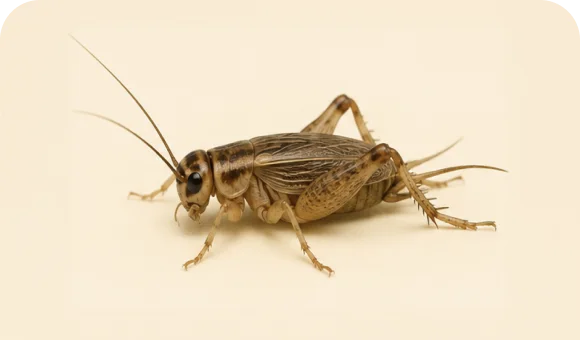
House Cricket
Acheta domesticus- SIZE
- 16–22 mm
- WHERE
- Basements · garages · kitchens · utility rooms
Tan cricket with long antennae and strong hind legs. Warm indoor harbourage can support breeding, while males create persistent nighttime chirping.
Licensed Winnipeg insect-control technicians treating house crickets, cluster flies, carpet beetles, ground beetles, boxelder bugs, lady beetles, and stink bugs. We identify the species, treat entry and harbourage zones, and reduce repeat seasonal invasions.
Book a Free InspectionSome species breed indoors, while others gather on sunny walls and enter buildings to overwinter. Accurate identification determines whether treatment should focus on fabrics, wall voids, foundation entry points, outdoor lighting, or seasonal exclusion.

Tan cricket with long antennae and strong hind legs. Warm indoor harbourage can support breeding, while males create persistent nighttime chirping.

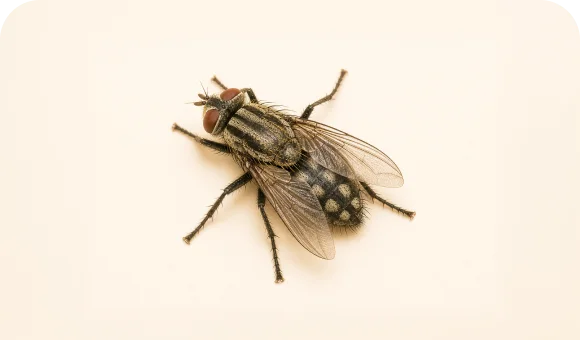
Slow, dark flies that gather on sunny walls and enter attics to overwinter. They do not breed in garbage, but can emerge indoors on warm winter days.

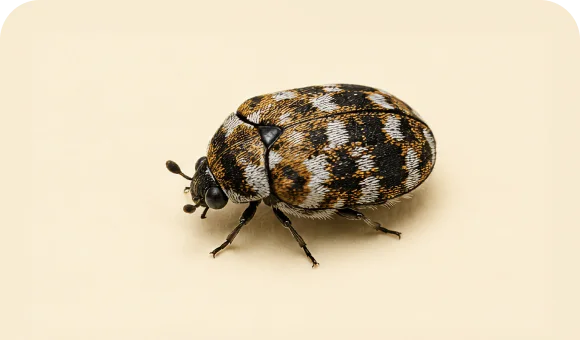
Small mottled adult beetles; the hairy larvae damage wool, feathers, natural fibers, and stored animal products in hidden undisturbed areas.

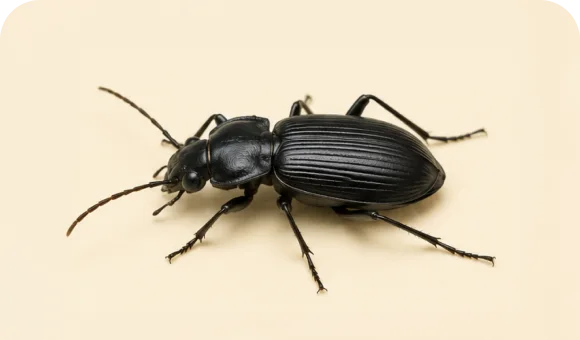
Fast black beetles that normally hunt outdoors. They enter through ground-level gaps, especially after rain or when exterior lighting draws them toward doors.

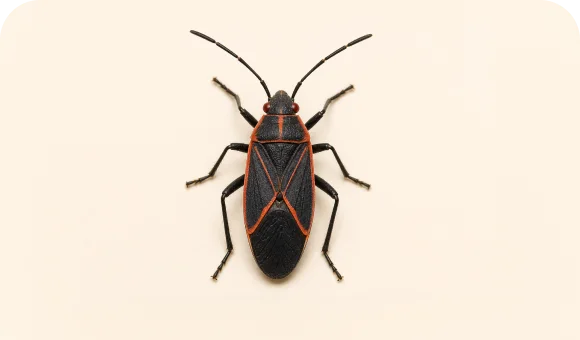
Black and red true bugs that gather on warm building surfaces in fall. Large groups enter wall voids to overwinter and reappear indoors in spring.

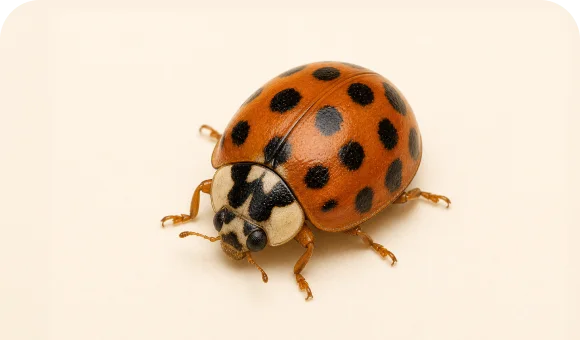
Asian lady beetles vary from yellow to orange or red. They are beneficial outdoors but can invade buildings in large numbers and release a staining odor indoors.

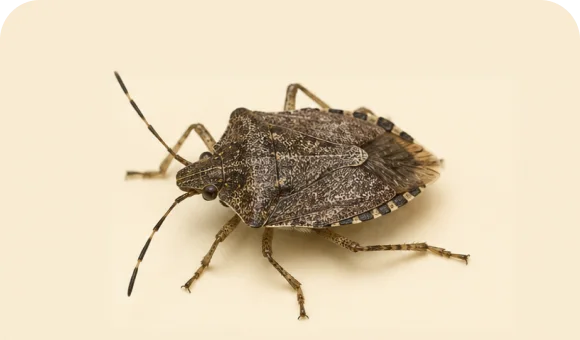
Shield-shaped brown bug that seeks protected overwintering sites. When disturbed or crushed it releases a strong odor, making vacuum removal preferable.
A few seasonal insects may be accidental visitors, but repeated activity, fabric damage, wall-void emergence, or large exterior gatherings indicate an entry or harbourage problem that should be identified before treatment.
Terra13 combines species identification, targeted treatment, and exclusion so seasonal invaders and indoor fabric pests are addressed at the correct source.
Confirm the species, life stage, activity source, and whether the issue is indoor breeding, fabric damage, or seasonal overwintering entry.
Inspect windows, vents, wall voids, attics, baseboards, fabric storage, foundation edges, lighting, and other insect pressure points.
Apply targeted interior, crack-and-crevice, fabric-zone, exterior perimeter, or entry-point treatment based on biology and risk.
Provide sealing, cleaning, storage, lighting, and seasonal timing guidance so insects are less likely to return.
Preparation depends on the species. Carpet beetles require fabric access and cleaning; seasonal invaders require entry-point access; crickets and beetles require baseboard, basement, and utility-zone access.
A printable one-page checklist covering access to windows, vents, basements, closets, fabric storage, pets, aquariums, and re-entry after indoor insect treatment. Your technician confirms the steps required for your species and service plan.
Everyone leaves 4–6 hours; 12–24 hours if asthma, allergies, pregnancy, or kids under 4.
Questions about bug and insect prep? Call your technician on +1 204-881-5849 or send photos — we'll walk you through it.
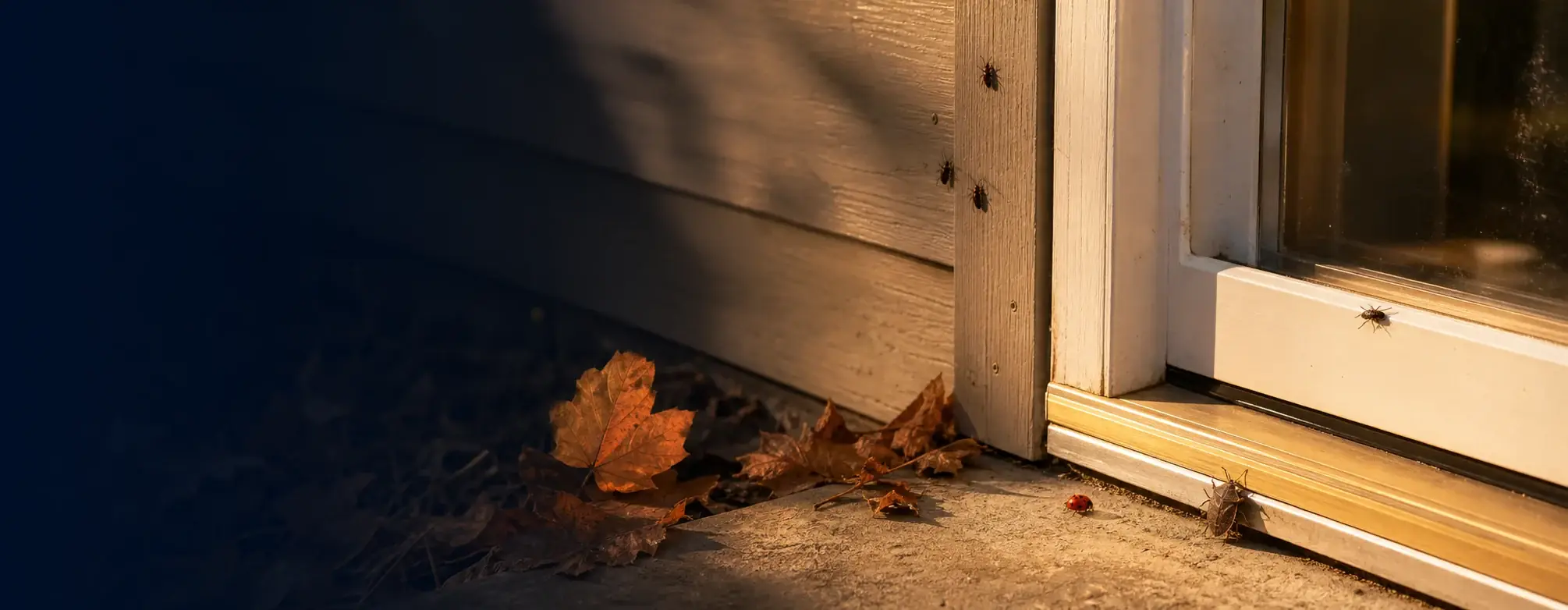
Winnipeg's long winter creates strong overwintering pressure. Cluster flies, boxelder bugs, lady beetles, and stink bugs gather on sun-warmed walls in late summer and fall, then move into attics and wall voids.
Carpet beetles and house crickets can persist indoors when food, warmth, and shelter are available. Ground beetles are usually accidental invaders, but repeated entry points to gaps, lighting, or drainage conditions around the building.
Seasonal timing and exclusion matter as much as treatment. These steps reduce indoor harbourage and stop insects before they reach wall voids or stored materials.
FAQ
Can't find your answer? Call us any time — we'll pick up.
House crickets, cluster flies, carpet beetles, ground beetles, boxelder bugs, lady beetles, and stink bugs. Identification determines whether interior treatment, fabric management, or exterior exclusion is most appropriate.
Many seasonal species enter wall voids and attics to overwinter. Sunny south- and west-facing walls, gaps around windows, vents, siding, and soffits are common entry areas.
Most inspections and targeted treatments take 60–90 minutes. Carpet beetle work or extensive attic and exterior treatment may require more time or follow-up.
Registered products are applied according to the label. During indoor application, people and pets leave and return only after the technician-approved interval and treated surfaces are dry.
Vacuuming is better. Crushing may release odor or staining fluids. Empty the vacuum outdoors and seal entry gaps to prevent replacement insects.
Treatment targets larvae, shed skins, lint, pet hair, dead insects, and infested natural-fiber materials. Cleaning and item-specific laundering or disposal are important parts of control.
Yes if exterior gaps remain or treatment misses the seasonal migration window. Terra13 combines perimeter treatment with exclusion guidance and confirms follow-up terms in writing.
Free inspection, accurate species identification, affordable inspection-based quote, and a prevention plan for indoor and seasonal insect activity.