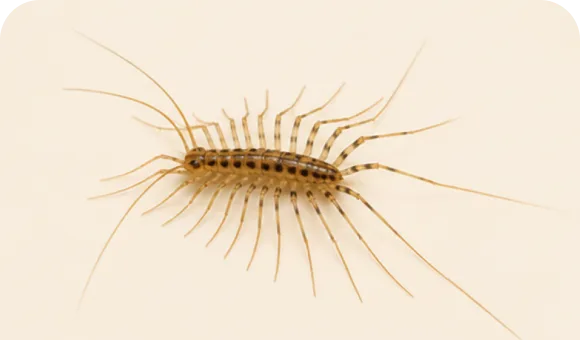
House Centipede
Scutigera Coleoptrata- SIZE
- 25–35 mm
- WHERE
- Basements · bathrooms · utility rooms
Long-legged, fast-moving predator that feeds on other indoor pests. Frequent sightings usually point to damp harbourage and a steady insect food source.
Licensed Winnipeg pest-control technicians treating centipedes, millipedes, woodlice, silverfish, earwigs, springtails, and clover mites. We identify moisture and entry sources, treat harbourage zones, and help prevent repeat invasions. Free inspection, affordable inspection-based quote, satisfaction guarantee.
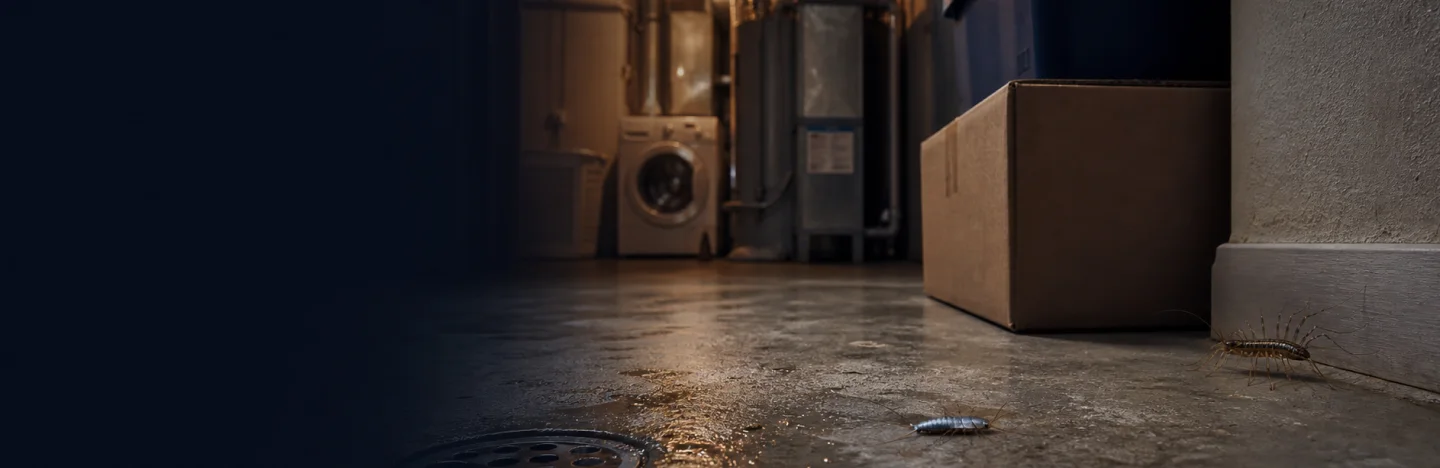
Book a Free InspectionThese pests often enter through foundation gaps, floor drains, damp basements, garages, and landscaping. Correct identification matters because some indicate excess moisture while others are seasonal invaders that need perimeter exclusion.

Long-legged, fast-moving predator that feeds on other indoor pests. Frequent sightings usually point to damp harbourage and a steady insect food source.

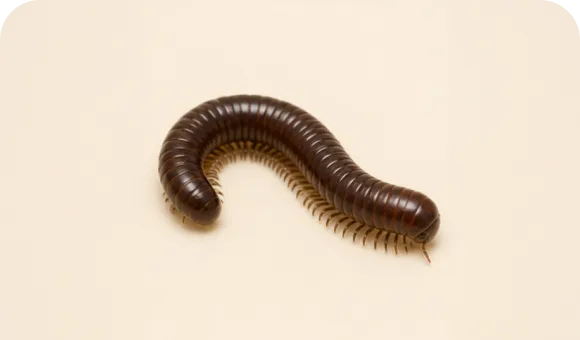
Cylindrical, slow-moving decomposer that curls when disturbed. Heavy rain or saturated mulch can drive large numbers indoors, where they soon dry out.

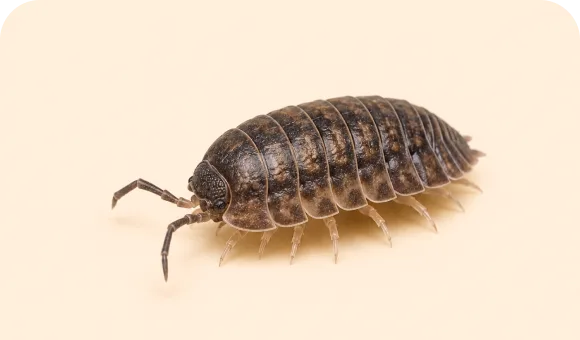
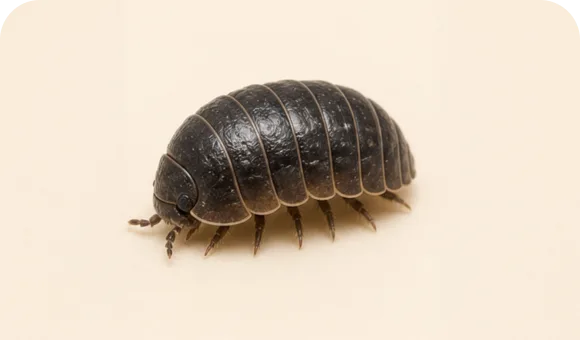
A land-dwelling crustacean that rolls into a tight ball. Indoor activity points to moisture, decaying organic matter, or gaps along the foundation.

Related to pillbugs but unable to roll into a ball. Sowbugs need high humidity and commonly enter from wet mulch, leaf litter, and foundation cracks.

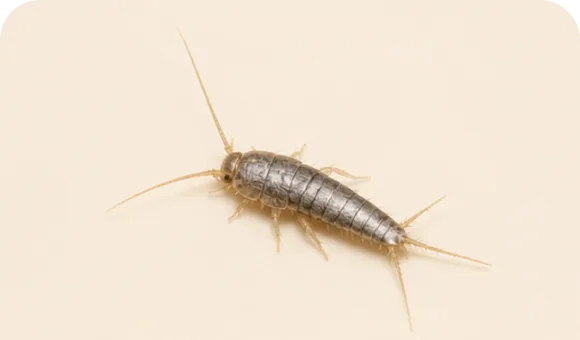
Silvery, wingless insect with three tail filaments. It feeds on starches in paper, glue, stored fabrics, and debris, especially in humid undisturbed areas.

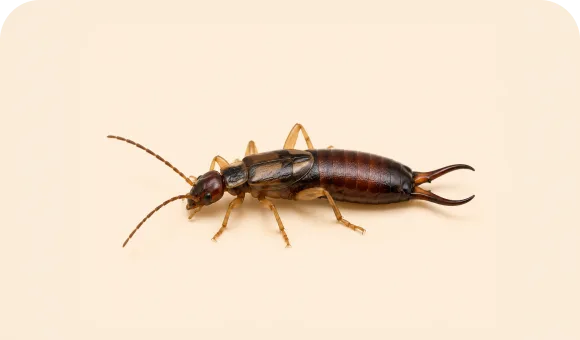
Recognized by forceps-like pincers. Earwigs shelter in damp cracks and may move indoors during hot, dry weather or after heavy rain.

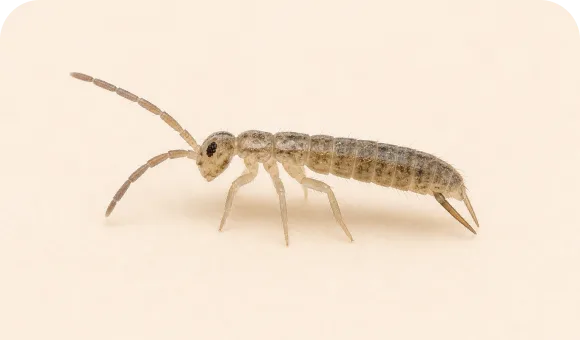
Tiny insects that jump when disturbed and thrive around moisture, mold, and organic films. Large indoor numbers nearly always indicate a water or humidity issue.
Repeated sightings usually mean pests are entering from outdoors or surviving in damp hidden zones. Treating the visible insects alone will not correct foundation gaps, drainage, humidity, or organic debris supporting the problem.
Every Terra13 service starts with identification and source correction, followed by an inspection-based treatment plan built for the pest and property.
Identify the species, moisture source, entry route, and harbourage. We inspect basements, drains, utility penetrations, siding, mulch lines, and stored materials.
Apply crack-and-crevice, baseboard, drain, or exterior perimeter treatment only where activity and pest biology require it.
Recommend practical humidity, drainage, storage, and sanitation changes that remove the conditions sustaining indoor activity.
Seal accessible gaps and provide seasonal prevention guidance. Warranty and follow-up terms are confirmed after the inspection.
General pest service may include baseboard, crack-and-crevice, drain, or exterior perimeter treatment. This is the same preparation sheet we send with every booking so technicians can reach moisture and entry zones safely.
A printable one-page checklist covering access to walls, drains, storage, pets, aquariums, and re-entry after indoor general pest treatment. Your technician confirms the steps required for your specific service.
Everyone leaves 4–6 hours; 12–24 hours if asthma, allergies, pregnancy, or kids under 4.
Questions about general pest prep? Call your technician on +1 204-881-5849 or send photos — we'll walk you through it.
Winnipeg's spring snowmelt, summer storms, and sharp autumn temperature changes push moisture-loving and seasonal pests toward foundation walls, drains, garages, and lower-level rooms.
Older foundations, damp landscaping, blocked drainage, and humid storage areas create shelter for silverfish, centipedes, woodlice, springtails, and millipedes. Treatment works best when moisture correction and exclusion happen together.
Treatment removes active pests; these habits reduce humidity, shelter, and entry points that allow the next wave indoors.
FAQ
Can't find your answer? Call us any time — we'll pick up.
This page covers house centipedes, millipedes, pillbugs, sowbugs, silverfish, earwigs, springtails, and clover mites. The inspection confirms the species and whether a specialized service is required.
Most are attracted by humidity, leaks, drains, foundation gaps, damp storage, or nearby mulch and leaf litter. Correcting the source improves treatment results.
A typical inspection and targeted interior or perimeter treatment takes about 60–90 minutes. Larger properties or heavy exterior activity may take longer.
Terra13 uses registered products according to the label. People and pets leave during indoor application and return at the technician-approved time after treated surfaces are dry.
For an indoor residual application, usually yes. Re-entry is commonly 4–6 hours, but the exact interval depends on the product, treatment area, and household sensitivities.
It is often essential, especially for springtails, silverfish, centipedes, pillbugs, sowbugs, and millipedes. Exclusion and targeted treatment handle the existing population and entry routes.
Some pests may continue emerging briefly from hidden harbourage. Follow the aftercare instructions and contact Terra13 at the scheduled follow-up if activity remains persistent.
Free inspection, species identification, affordable inspection-based quote, and written treatment guidance for homes, apartments, and businesses.